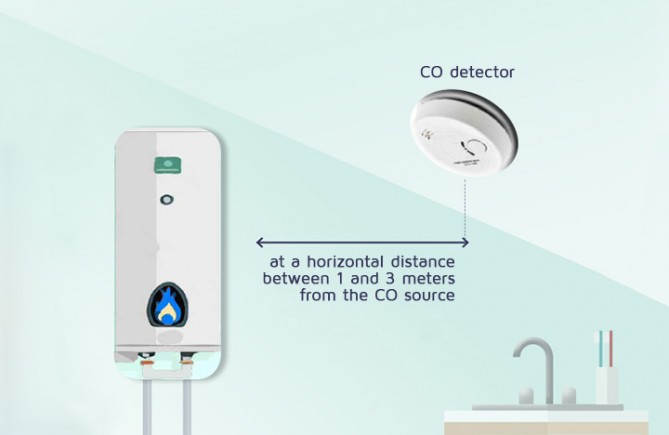
Carbon monoxide (CO) is a silent, invisible, and potentially deadly gas. Because it has no smell, color, or taste, a reliable carbon monoxide detector is one of the most important safety devices for any home. This article explains what makes a great carbon monoxide detector, highlights the best types available, and helps you choose the right one for your needs.
What Is a Carbon Monoxide Detector?
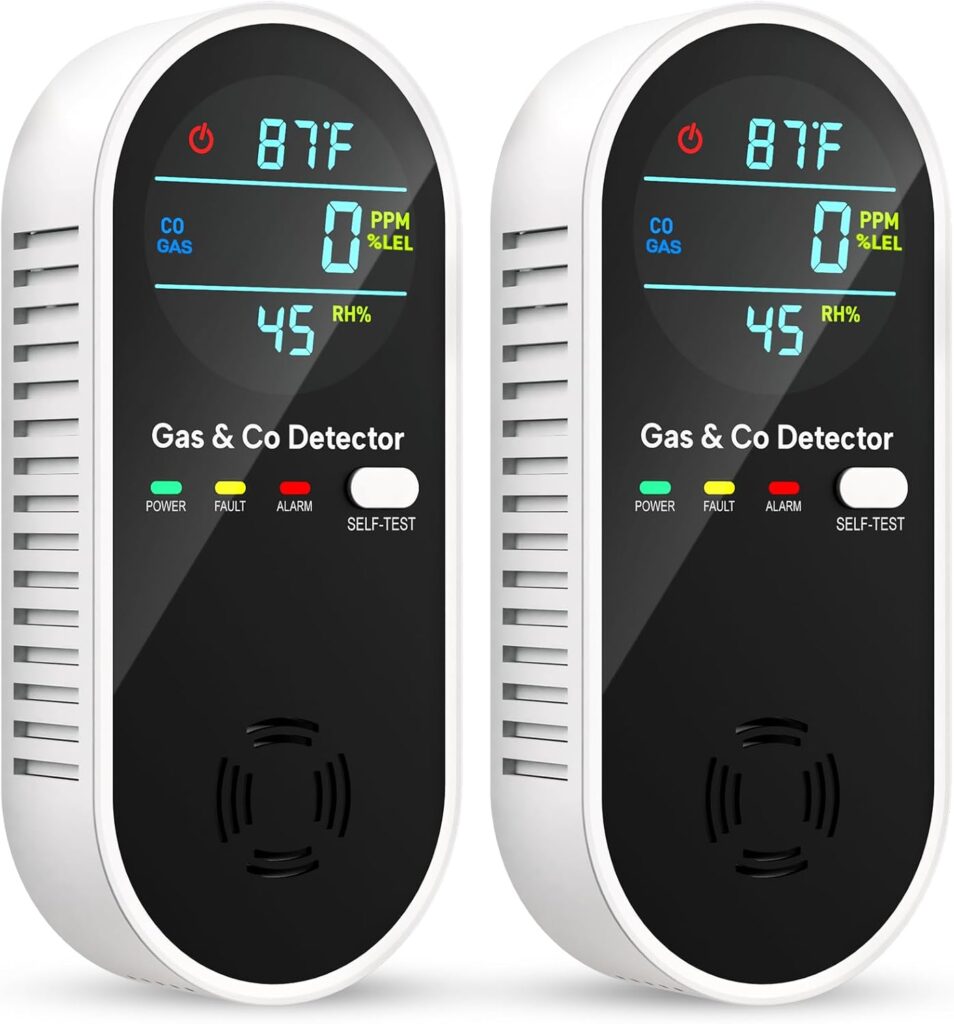
A carbon monoxide detector is a safety device designed to alert you when dangerous levels of carbon monoxide are present in the air. Carbon monoxide can be produced by fuel-burning appliances such as furnaces, gas stoves, fireplaces, and cars left running in garages.
Early detection can prevent serious health problems and save lives.
Why a Carbon Monoxide Detector Is Essential
The Dangers of Carbon Monoxide
Carbon monoxide can cause headaches, dizziness, nausea, and confusion.
High exposure can lead to unconsciousness or death.
Because symptoms can feel like the flu, people often don’t realize they’re being poisoned.
Who Needs a CO Detector?
Homes with gas, oil, or wood-burning appliances
Houses with attached garages
Apartments and dorms
Any enclosed living space
In short: almost everyone should have one.
Key Features of the Best Carbon Monoxide Detectors
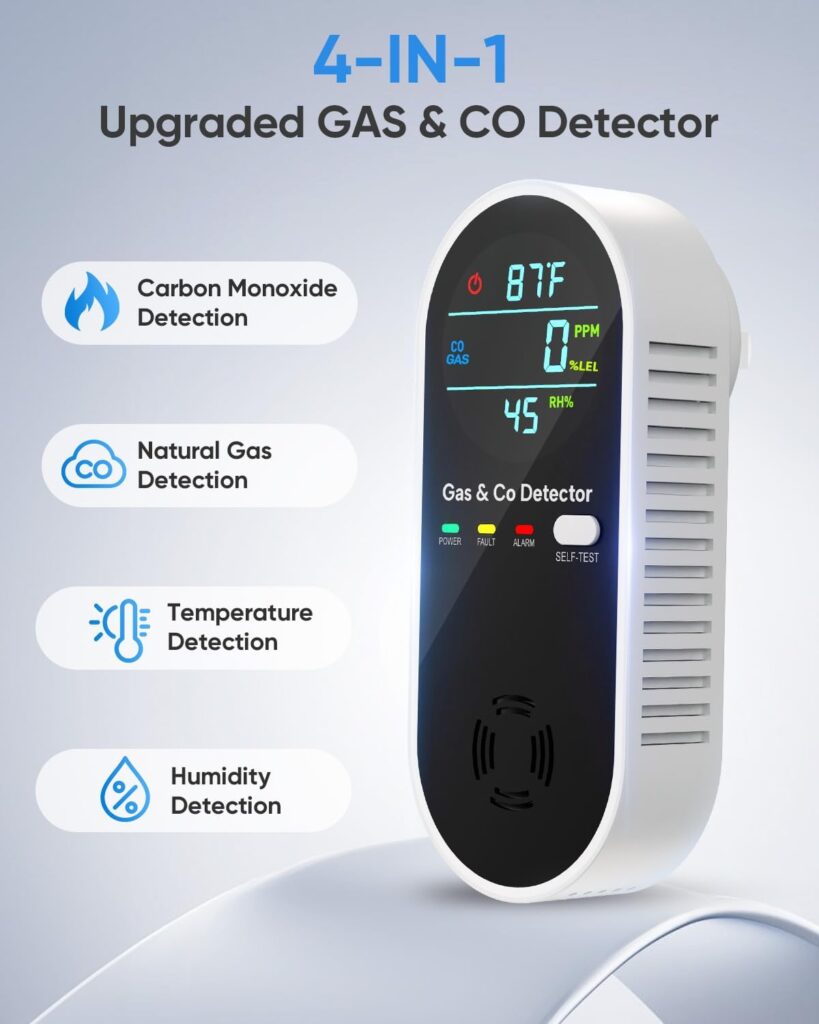
Accurate Sensors
The best detectors use advanced electrochemical sensors. These are known for:
High accuracy
Fewer false alarms
Long-term reliability
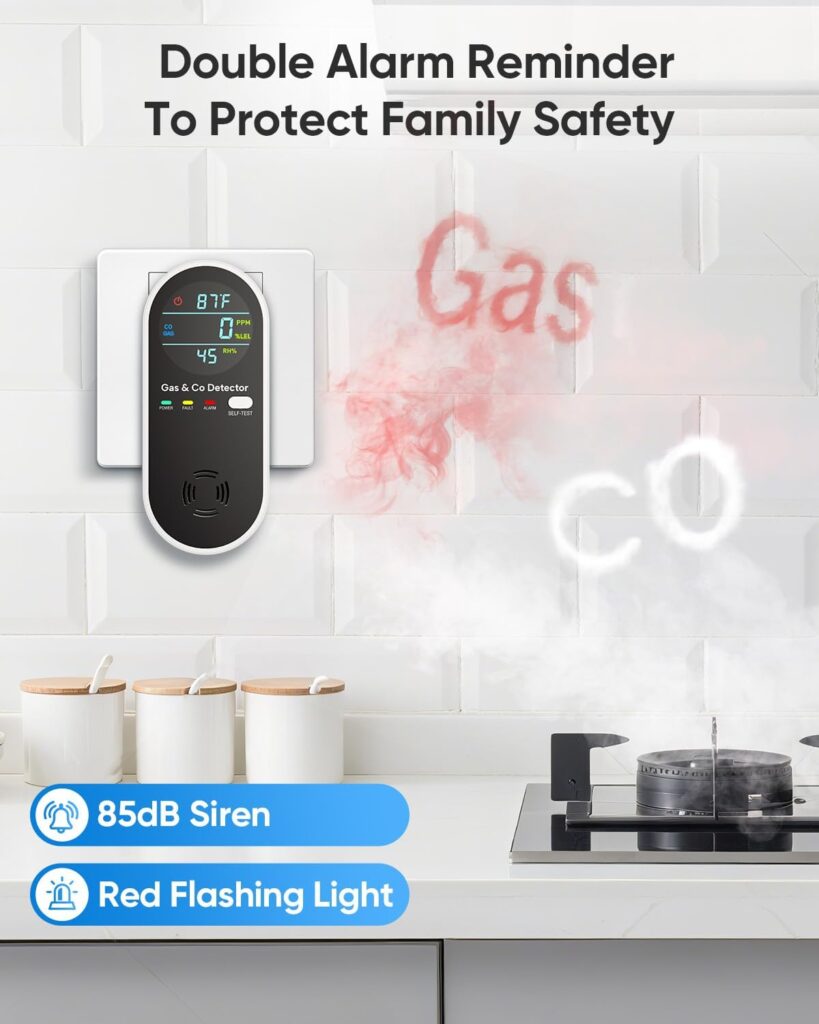
Loud and Clear Alarm
A strong alarm (usually around 85 decibels) ensures you’ll hear it even while sleeping.
Digital Display
Many top models include a digital screen that shows:
Current CO levels
Peak levels over time
This helps you understand what’s happening in your home.
Power Options
Carbon monoxide detectors come with different power sources:
Battery-powered – easy to install, works during power outages
Plug-in – convenient with battery backup
Hardwired – often used in newer homes, very reliable
Smart Features

Some modern detectors connect to apps and can:
Send alerts to your phone
Integrate with smart home systems
Provide detailed safety reports
Types of Carbon Monoxide Detectors
Standalone CO Detectors
These focus only on carbon monoxide detection and are simple and effective.
Combination Smoke and CO Detectors
These devices detect both smoke and carbon monoxide, saving space and reducing the number of alarms you need.
Smart Carbon Monoxide Detectors
Ideal for tech-friendly homes, these models provide real-time alerts even when you’re away.
Best Carbon Monoxide Detectors (By Category)
Best Overall
A high-quality detector with an electrochemical sensor, digital display, and long battery life is usually the best all-around choice for most homes.
Best Budget Option
Affordable models without displays still provide strong protection and reliable alarms.
Best Smart Detector
Smart CO detectors are perfect for families who travel often or want extra peace of mind through mobile alerts.
Best for Large Homes
Interconnected detectors allow alarms to sound throughout the house when one detects danger.
Where to Install Carbon Monoxide Detectors
Recommended Locations
Near bedrooms (outside sleeping areas)
On every level of the home
Near fuel-burning appliances (but not directly next to them)
Places to Avoid
Right next to stoves or fireplaces
Very humid areas like bathrooms
Direct sunlight or air vents
Maintenance and Safety Tips
Regular Testing
Test your detector once a month
Replace batteries as recommended
Detector Lifespan
Most carbon monoxide detectors last 5–10 years. Always replace them when they reach the end of their lifespan.
Know the Alarm Sound
Make sure everyone in your household recognizes the CO alarm and knows what to do if it goes off.
Final Thoughts
The best carbon monoxide detector is one that is reliable, easy to maintain, and suited to your home’s layout. Whether you choose a basic model or a smart detector with advanced features, having one installed is a critical step toward protecting your family.
Carbon monoxide detectors don’t just add convenience—they save lives.